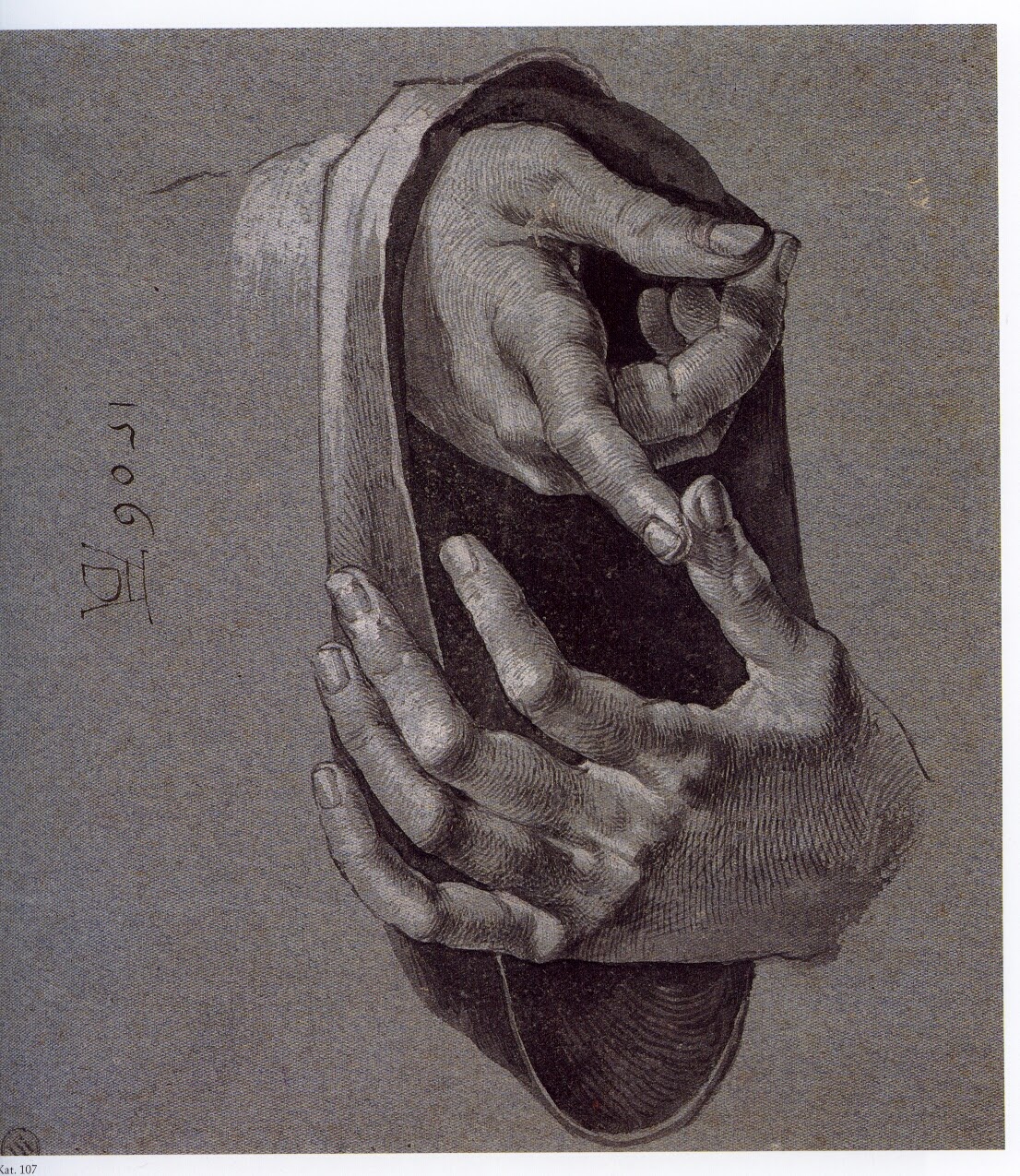
Drawing has been with us for many thousands of years. The cave images at Lascaux and Chauvet are drawn as much as painted: outlines, incised lines, smudged and blown pigment. Whether they were made to record the animals and landscape around the makers or to convey a narrative is up for conjecture. But one irreducible fact remains: for at least 20,000 years, human beings have been drawing in order to think, to remember, and to communicate with other human beings.
Since those first marks, the activity and images of drawing have continued to command a very high degree of interest. By the Renaissance, drawing (disegno) was understood as the foundation of every other art: the place where a painter, sculptor or architect worked out an idea before committing to it. Drawing was also how artists were trained. Apprentices copied the work of their masters, then drew from casts of antique sculpture, then from the living model, and only then were trusted to invent. Five hundred years later much of that structure remains intact. All drawing begins with copying: we look, we measure, we record. What changes, once that discipline is in the hand, is what the artist chooses to look at, what they leave out, and why.
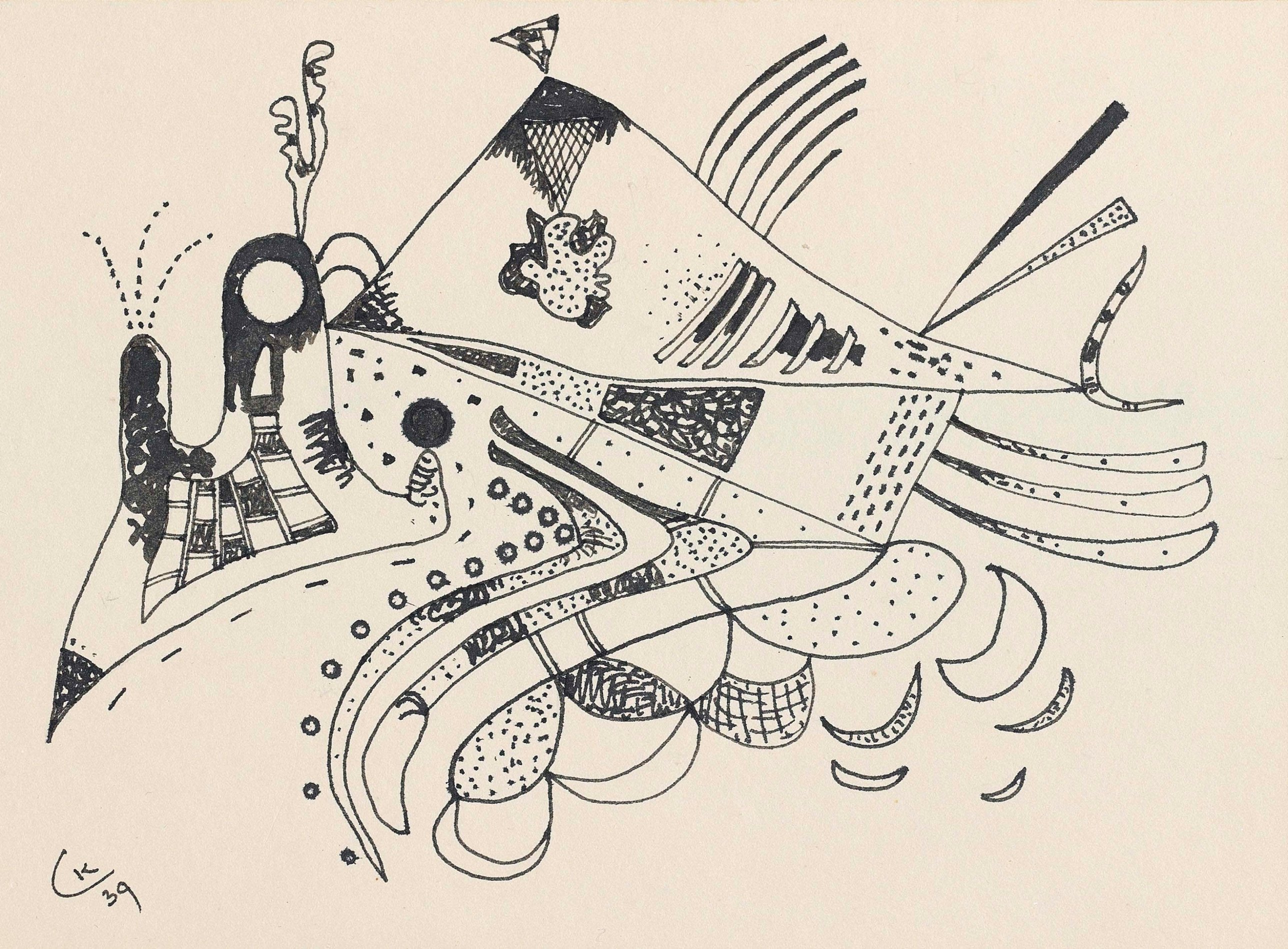
Drawing has survived every ideological and media-based revolution in artmaking, and it continues to thrive today. It is the most immediate of the visual arts, the cheapest to begin and among the hardest to master. Contemporary artists draw in graphite and ballpoint, in ink and watercolor, on paper, wood, fabric and walls, at the scale of a postage stamp and the scale of a building. Some use drawing as preparation, some as the finished work itself, and some as a way of thinking that never becomes anything else.
Each person’s reading of any drawing is quite subjective, but it can be so only up to a point, at which moment the intention of the artist surfaces and directs the gaze of the viewer. Students in this class will come to terms with their own will to draw, and will answer questions that they will set for themselves, related to imagery, representation and justification in the light of history and theory.
Students in this course of study will pursue these and many other difficult questions that are aimed at raising your level of ability to critically & constructively talk about drawing and its history.
Why do people draw today? What is drawing to you? What is drawing for? What is drawing within Art History? How has drawing been described over the years? What is the relationship between drawing and the other forms of image making? What happened to drawing during the tech revolution?